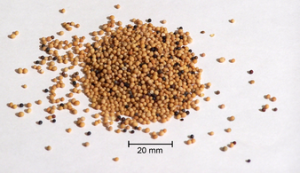
 Mustard (Brassica nigra) is described in Matthew 13:31 as “the least of all seeds: but when it is grown, it is the greatest among herbs, and becometh a tree, so that the birds of the air come and lodge in the branches thereof.”
Matthew 17:20 “Because you have so little faith. Truly I tell you, if you have faith as small as a mustard seed, you can say to this mountain, ‘Move from here to there,’ and it will move. Nothing will be impossible for you.”
Mustard is a bit confusing to some.
When we spread mustard on a sandwich we seldom stop to think of it as being a garden green that can be cooked like turnip greens or used as salad greens.
The entire plant is useful…the flowers and leaves for cooking and for salads. The seeds for sauces and spreads.
Those who juice or go the smoothie route…don’t forget the mustard.
Green, right from the garden with a sweet apple…yummy!
Mustard greens have a peppery flavor and add spice to salads that tend to be bland.
Medicinally it is used for many things…one being inflammation and pain.
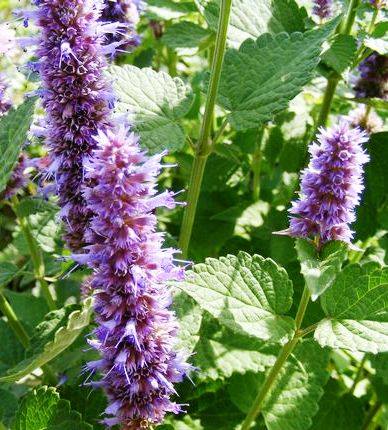
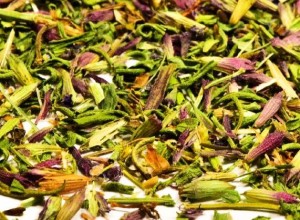 Hyssop (Sorghum vulgare) is known as the holy herb. Hyssop was used to cleanse the temples and other sacred places of the Egyptians. David mentions hyssop in Psalms 51:7. Hyssop as we know it may or may not be the hyssop mentioned by David. There is some debate since the derivation of the name hyssop is in the Greek word hussopos and the Hebrew esob, meaning simply, “holy herb.”
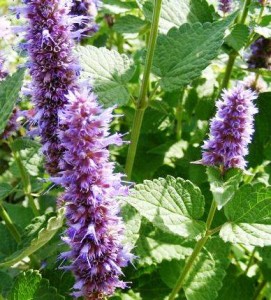 Some of well known uses are for colds, coughs, and chest infections.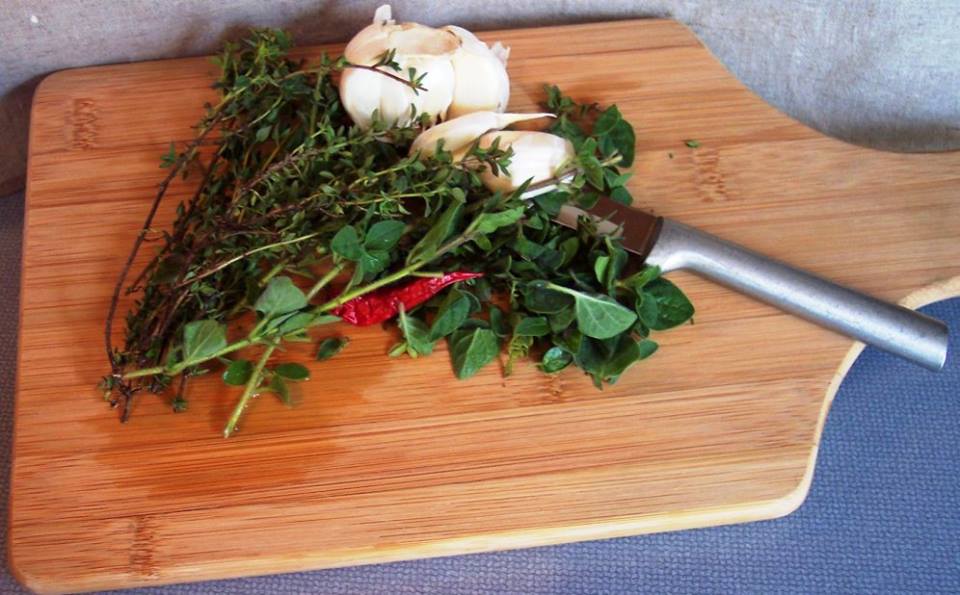
 Garlic (Allium sativum) is mentioned only once in the Bible. It was held in great esteem by the ancient Egyptians.
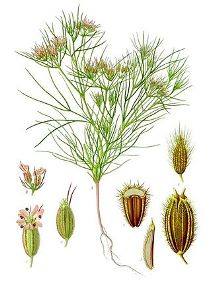 (Matthew 23:23) “Woe to you, scribes and Pharisees, hypocrites! for you tithe mint and dill and cumin, and have neglected the weightier matters of the law, justice and mercy and faith; these you ought to have done, without neglecting the others.”~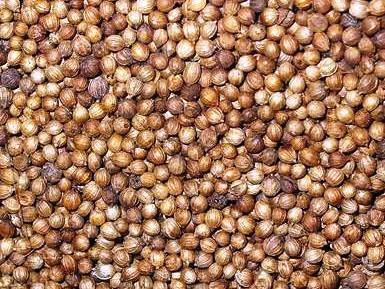
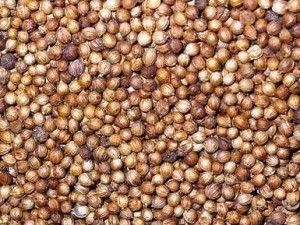 Coriander/Cilantro is fast becoming one of the most popular fresh herbs in the U.S. The foliage is called Cilantro, while the edible seed is Coriander.